HRC Coupling

HRC Coupling Manufacturer

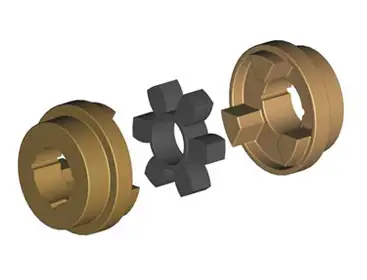
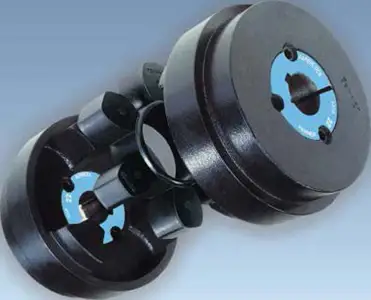
In India, we are the only HRC Coupling Manufacturer engaged in providing and exporting the very light in weight, precisely designed & dimensions and very durable quality of products to the almost every in-house cities & worldwide countries. Our experts are making these HRC couplings by following the recent advanced techniques to give them the best features and quality and our offered product is having the great misalignment capacity.

Specially, the HRC Couplings fabricated in our industries are perfectly checked for the corrode proof. We are largely providing this coupling for the applications in conveyor systems, motor shafts and primarily for the main part of electrical engines etc. Just try our product once for your industrial purposes then you will definitely again ask for the same one for your premises.

Special Features

  • Straightforward establishment
  • Corrode proof
  • Precisely Planned
HRC Coupling Manufacturer in Ahmedabad from India
hrc 50 coupling
hrc 70 coupling
hrc 90 coupling
hrc 90 coupling
fenner hrc 280 coupling
rubber coupling hrc 90
hrc coupling
hrc coupling India

FAQs for HRC Coupling

1. What is an HRC Coupling? + An HRC Coupling is a flexible shaft coupling designed to connect rotating shafts and transmit torque while absorbing shock loads, vibrations, and minor shaft misalignment.
2. Where are HRC Couplings used? + HRC Couplings are commonly used in pumps, compressors, fans, blowers, conveyors, gearboxes, and other industrial power transmission applications.
3. What are the main benefits of an HRC Coupling? + The main benefits include reliable torque transmission, vibration damping, compensation for minor misalignment, reduced maintenance, and long service life.
4. Can HRC Couplings handle shaft misalignment? + Yes. HRC Couplings can compensate for limited angular, parallel, and axial shaft misalignment, helping protect connected equipment from excessive stress.
5. How can I maintain an HRC Coupling? + Regularly inspect the coupling for wear, cracks, loose components, and alignment issues. Proper installation and periodic inspection help ensure reliable performance.